Programs · 03 of 03

From a safety challengeto a defined program.

Technology is only one part of the solution. SaferSmart Zones helps organizations understand the problem, establish a program, connect the right technology and support a path toward action.
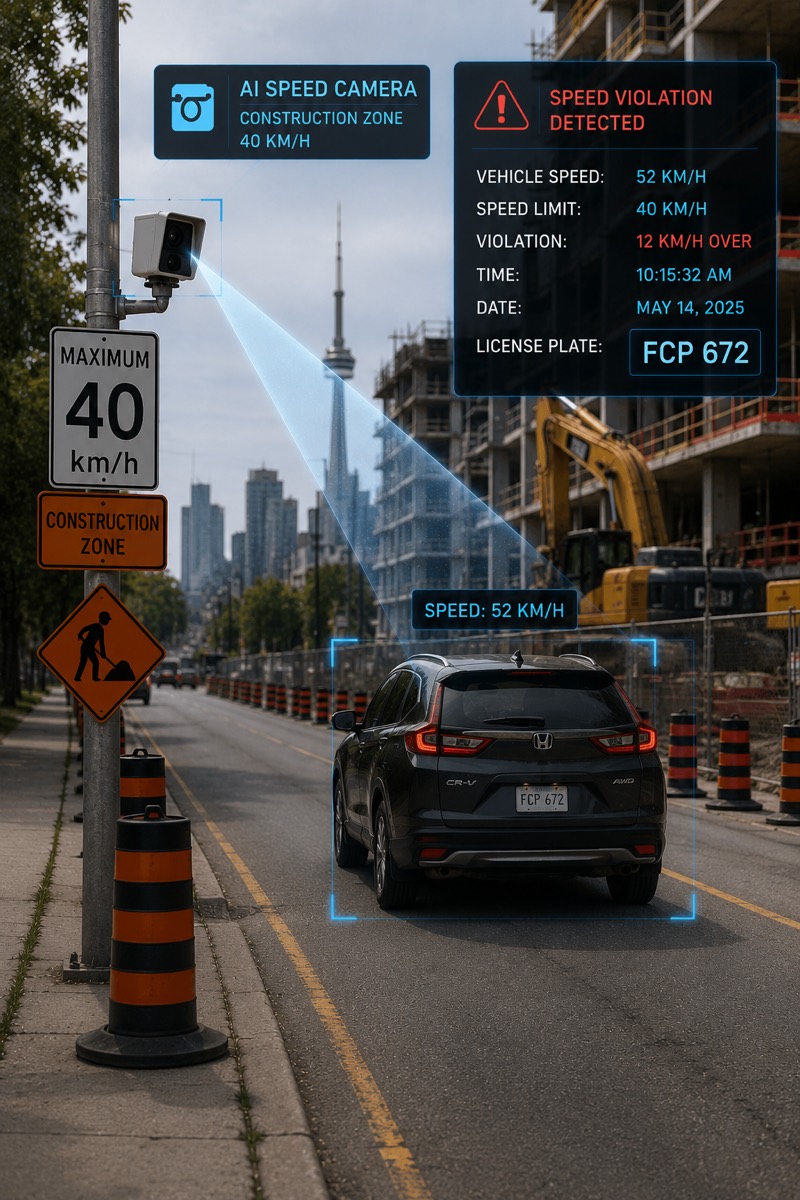
An urban construction-zone corridor with orange channelizing barrels, construction-zone speed signage and a roadside camera unit on a pole.

The program model

From identified risk to targeted action.

Six stages. Most organizations already have work done in the first two — the point is to make the rest follow from it rather than from an assumption.

  1. 01

    Discover

    Understand the environment and the safety challenge as the people who live with it describe it.

  2. 02

    Define

    Establish the target behaviour, the locations, the operational requirements and what the program is meant to achieve.

  3. 03

    Design

    Determine the appropriate technology, the information required and how the program will be communicated.

  4. 04

    Validate

    Collect and evaluate information before or during deployment, so the picture is real before anything is acted on.

  5. 05

    Implement

    Deploy the defined program and the operational workflow that carries it, including review responsibilities.

  6. 06

    Measure

    Use program data to understand patterns and to support the next decision — including whether to stop.

Outcomes depend on the environment, the program design and the organization running it. Nothing here is a guaranteed result.

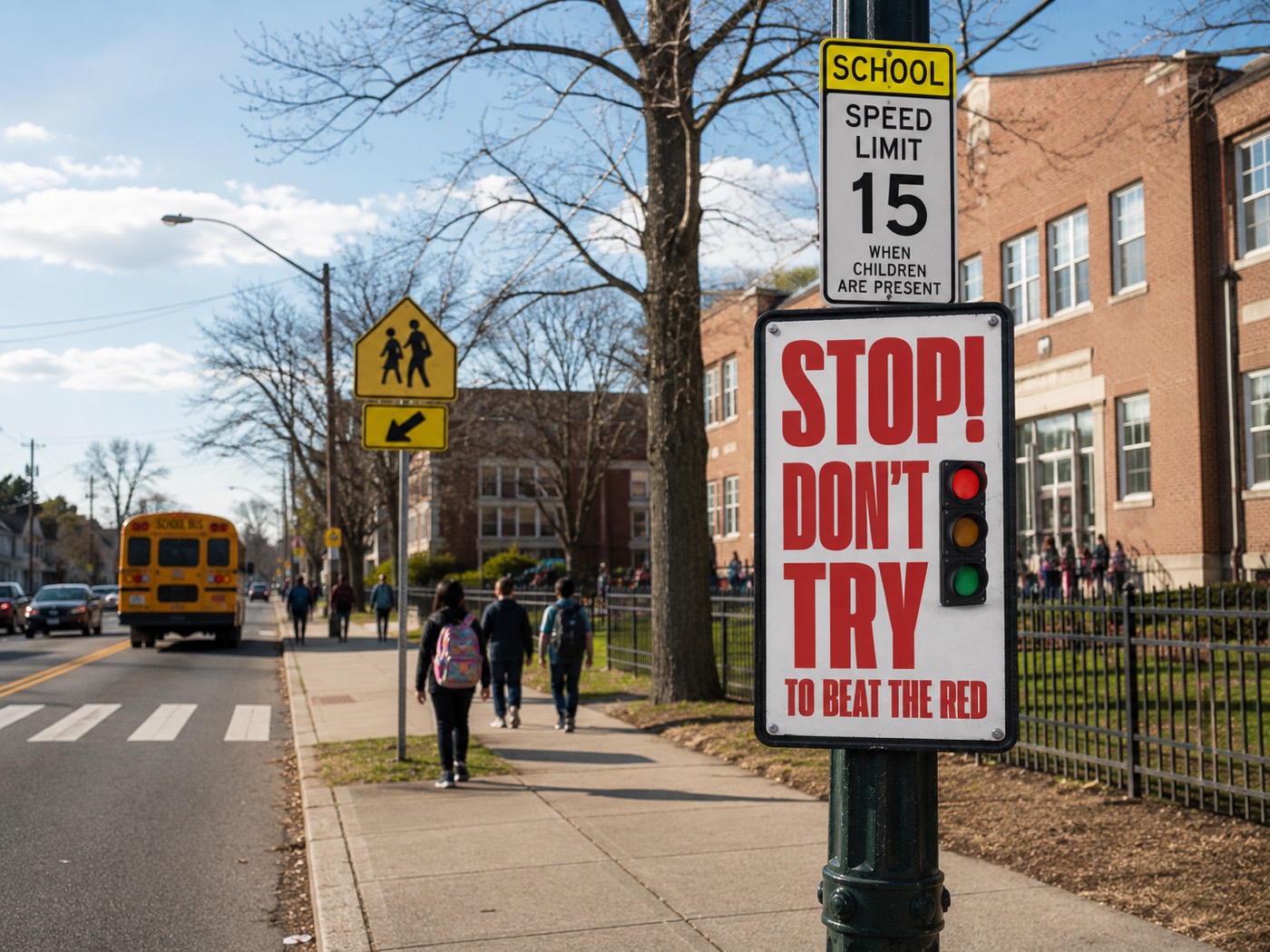
A school-zone street with a posted campaign sign reading “Stop! Don’t try to beat the red”, a school bus at the kerb, students walking on the sidewalk and a marked crosswalk.

Public awareness

Launch your PSA & Campaignbefore you start collecting safety data.

SaferSmart Zones™ public awareness campaigns help agencies communicate before enforcement begins. Using observed roadway behaviour and location-specific data, campaigns explain the safety issue, prepare the public for program changes, and encourage safer behaviour.

A coordinated media strategy extends the message from the roadway into the community. In many programs this is the part that moves first, and sometimes it is the only part that needs to.

  • A warning period before any enforcement response
  • Local radio advertising and news placements
  • Newspaper and community publication advertising
  • Digital news and geotargeted media placements
  • Social media awareness campaigns
  • Public service announcements
  • Press releases and proactive media relations
  • Roadside signage and community messaging
  • Pre-enforcement education and warning campaigns
  • Campaign performance and public-response reporting

Request a demo

What behaviourneeds to change?

Tell us what is happening. We will help you understand it and build the right response around it.

Canada + United States